Langsikt responds: Klein's authoritarian argumentation
Jörn Klein's criticism of Langsikt is a striking attack on a core principle of Norwegian democracy: that those in power are in contact with a wide range of organizations and knowledge actors. Only in extreme cases should authorities refuse to participate in debates because the organizers should be considered persona non grata.

AI-generated illustration from Gemini.
Main moments
A breakfast seminar we at Langsikt organized at Pressens hus has prompted Professor Jørgen Klein to react. In Altinget, he warns the authorities against participating in our events. The criticism rests on an authoritarian premise which we should be extremely glad that Norwegian authorities do not subscribe to.
On May 27, we organized an open seminar with two state secretaries, a Member of Parliament from Høyre (the Conservative Party), and leaders of central government agencies to discuss an important and under-communicated topic: how we can protect Norway against biological threats, such as pandemics or biological terrorism. The media was also present, and has written about the seminar.
Klein has no criticism of the choice of topic, the composition of the panel, the framing of the debate, or its content. The problem, he believes, is that the government and government agencies attended at all.
Participating in Langsikt events gives "legitimacy, visibility, and indirect authority" to the dangerous ideology of effective altruism, according to Klein. The authorities must avoid this. Langsikt must be canceled.
Attacking a Core Democratic Principle
The most important thing to say about Klein's criticism is that it is a striking attack on a core principle of Norwegian democracy: that those in power are in contact with a wide range of organizations and knowledge actors. Only in extreme cases should authorities refuse to participate in debates because the organizers should be considered persona non grata.
The second thing to say is that it should be obvious to everyone that Langsikt does not deserve this distinction. Our purpose is to work towards Norway making the world a better place. We ask: Where can we make the greatest possible difference to improve the global community?
It's a challenging question, but we believe strong candidates involve protecting ourselves from the dangers of new technology, deadly pandemics, and biological weapons. This view is supported by government agencies in Norway, Sweden, the USA, and the UK, including in the Norwegian Intelligence Service's open threat assessment.
No one dictates what we should think
We work to counteract politics' tendency to be reactive, and for our politicians to prioritize more rigorously than they do today. When oil prices skyrocket due to war, Norway should not respond by subsidizing Norwegian motorists without considering the consequences for those who are poorer than us and need the oil more. Instead, we should find ways to use the extraordinary revenues to permanently make the world a better place, for example, by strengthening healthcare systems in low-income countries, or by supporting Ukraine's defensive war.
We seek funding from all relevant sources, both in Norway, the Nordics, and internationally. None of these dictate what we should believe or work on, and we openly share who they are. As our way of thinking is inspired by effective altruism, it's not surprising that some of our funding comes from foundations with similar views.
What we take from effective altruism is that politics often neglects large but rare threats, and that we should show greater solidarity with those who feel the consequences of our actions, even if they don't have voting rights when we make choices. And despite Klein's baseless insinuations; We absolutely do not believe that crypto swindler Sam Bankman-Fried was a good guy, just because he said he would use the money for good causes.
Our ideas are in many ways radical thinking, but they don't deserve to be canceled nonetheless.
More from Langsikt
.webp)
Langsikt is looking for a new general director - Mofoss lands international job
Langsikt is seeking a new CEO after Eirik Mofoss accepted a position as an independent special advisor to Erna Solberg at The Global Fund. Lotte Skolem will serve as acting CEO for the remainder of the year.
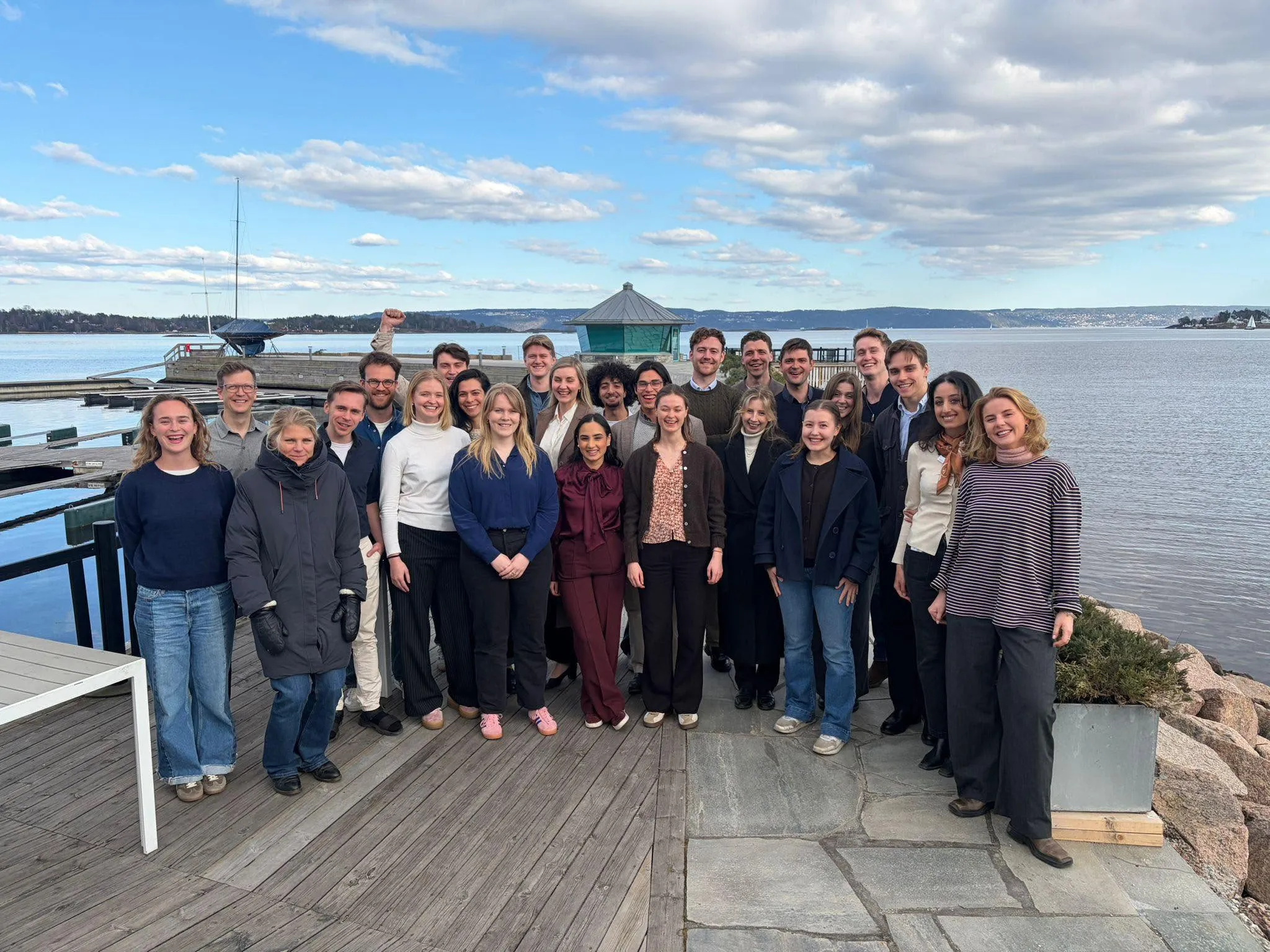
Langsikt-akademiet
Langsikt-akademiet samler fremtidens samfunnsledere til en helgesamling om spørsmålene som vil forme Norge de neste årene. Innlederne deler av sin inngående erfaring og hvert innlegg følges av god tid til refleksjon og diskusjon. Meld din interesse nå!

A new project for the state: The baby package
Stewardship of the natural resources and the welfare state are two of our nation's greatest triumphs. What is the next big project for A/S Norway?

Here are two suggestions for how the Oil Fund can be run ethically
When we invest in companies that contribute to violations of international law, we profit from the suffering of others. That's not necessarily problematic.