A new project for the state: The baby package
Stewardship of the natural resources and the welfare state are two of our nation's greatest triumphs. What is the next big project for A/S Norway?
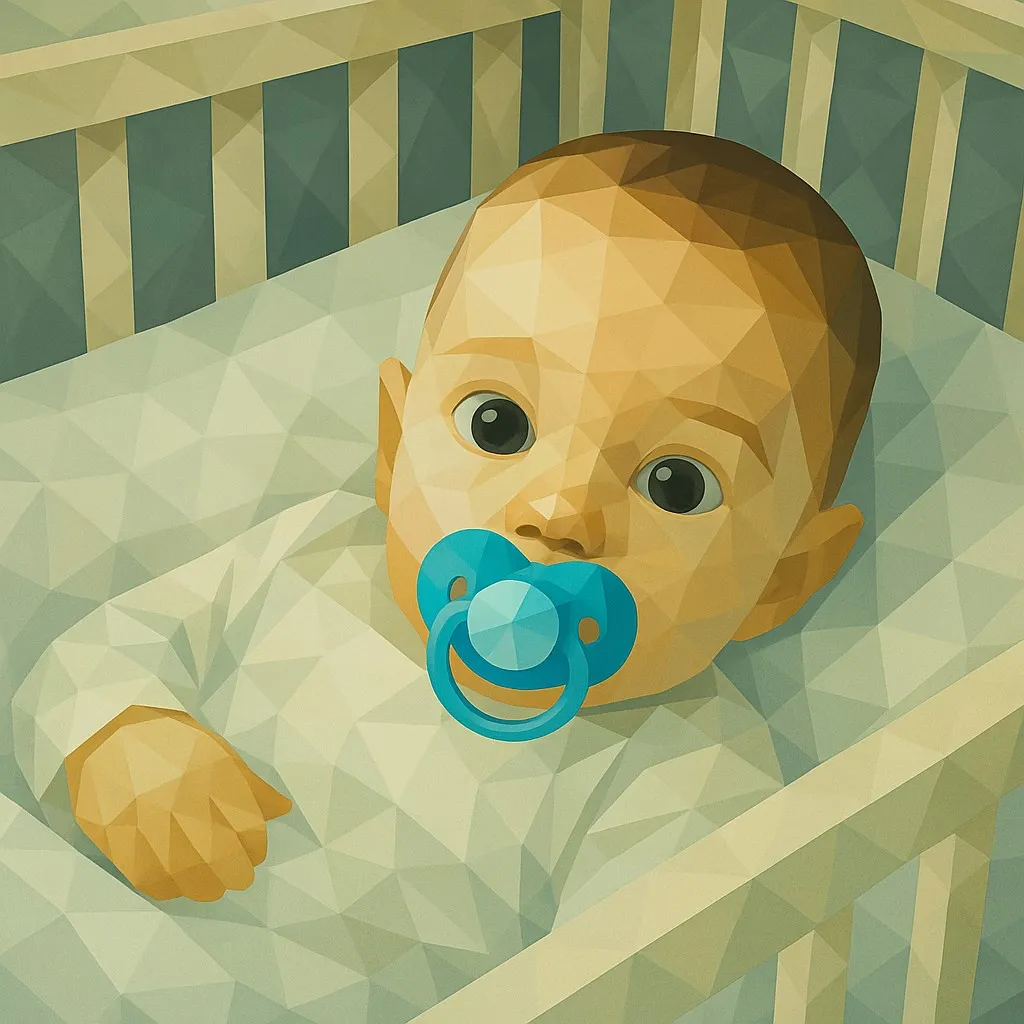
Ki-generated illustration from Sora.
Main moments
Simply asking the question may seem wrong these days. The spirit of the times isn't exactly crying out for new big, state projects. It is Martin Bech Holte and the Søseriombudsman who are concerned, not Erlend Mørch, the NRK journalist who wants the state should offer cheap “state salad” to improve public health and leisure clubs for adults.
For good reason. Problems are often better solved by companies in fierce competition than bureaucratic processes. There would be a lot of lettuce in the trash if the Norwegian Directorate of Health, in consultation with the Danish Food Safety Authority, were to send lettuce in the mail to people.
There is still room for new government projects. I find myself in a situation where I would love to have more and not less government assistance. As a new parent, you need to figure out in a short time what you need to care for a newborn baby. What is precarious and what can wait? This experience I share with thousands of other parents, who spend tens of thousands of hours desperately Googling for advice and the right online shops.
There is a better solution. In Finland, since the 1930s, they have sent a baby package in the mail to all new parents, with clothes and other necessary baby things. The box things come in can be used as a bed the first time. The value of the package? 5000—6000 kroner.
Talk about the nanny state. But what parents don't need the help of a nanny once in a while?
Like others universal schemes, the baby pack solves a number of problems with one means. The package allows all newborns to get the necessary things for a good start in life. It also evens out differences, since five thousand crowns means more to those who have little before.
I also think such a package could turn the middle class away from status-chasing product choice (“only the best is good enough for my baby”) to cheap conformism (“we take package like everyone else”).
Universal schemes are also known for building trust. Those born and raised in the country develop trust in society and system by receiving state services from the first moment. It is through receiving gifts without requiring immediate restitution that we gain confidence that others can be trusted.
Immigrants to the country do not have the same experience. They may have experienced a state that takes and does not give. Therefore, they have lower trust in society and the state. This can be compounded by meetings with the public based on distrust, as means-tested benefits where one has to prove one's distress, and as messages of concern from child welfare services.
For such groups, the baby pack will be a concrete handshake that builds trust.
Send the package home to people a few weeks before childbirth, unless they actively choose to receive the money instead. In Finland it is the opposite. There you have to actively sign up to receive the package. But this will cause those who need it most to miss out on the package. It's amazing what benefits people leave at risk, just because they couldn't get their finger out.
The baby package is not the only package the government should send home to people. The authorities have recently urged citizens to obtain a contingency package in case of crisis. But if the authorities believe that it is cost-effective for all citizens to acquire some necessary goods to make themselves at home for a few days, they should send a package rather than a leaflet.
A pamphlet of information is an unfortunate individualization of a responsibility that is more effectively handled jointly. It makes us collectively less prepared and it wastes people's time. Ready-made solutions beat information campaigns every time.
Do I have to agree that the state must also offer cheap or free state salad, as Mørch wishes? The answer is not obvious. If the state salad is sold on market terms with a subsidy that makes it cheap enough, it need not become a bureaucratic nightmare.
I still think the proposal would be considered a subsidy for the middle class who are already good at getting their fruits and vegetables. That poor people who continue to eat unhealthily are being asked to subsidise middle-class salad habits is ill-apportionment policy and a recipe for distrust.
My opposition to the state salad differs from Jonas Gahr Støre's principled criticism. IN Darkness and power Støre Mørch lectured on the limits of what the state should interfere in, but this is to draw the worst card in the right-wing's repertoire.
If food is outside the domain of the state, why should the authorities be in charge of the school food for the children? Free school meals for all children are, after all, yet another kinder egg that should not be stopped by lax principled objections.
Not only will school food be able to ensure all children nutritious meal. Like the baby pack, it will also free up valuable time for parents in the squeeze.
Can we go even further? Mørch suggests leisure clubs where adults can hang out. But I have more faith in subsidizing community lunch at private eateries. One problem in today's society is that people are either isolated or spend time with people who resemble themselves. Eating with others creates trust across walks of life.
Given how important it is with a society where people empathize with each other across dividing lines, we should all want to pay a little to achieve this. Market forces cannot solve the problem on their own.
The proposal is simple. The government subsidizes the food in places around the city, at lunch and after work. The only requirement to get cheap, good and nutritious food is that you have to sit with random others. This is how we create community from the bottom up.
Criticism about wastefulness and a bloated state cannot be answered effectively if one simply wants to save the scraps of existing schemes. People quickly take for granted the benefits they already have. The best way to ensure trust in the state, is to constantly explore the possibilities of helping people solve tasks that they do not easily solve themselves. And, not least: investing in the community necessary to ensure the support of the project itself over time.
More from Langsikt
.webp)
Langsikt is looking for a new general director - Mofoss lands international job
Langsikt is seeking a new CEO after Eirik Mofoss accepted a position as an independent special advisor to Erna Solberg at The Global Fund. Lotte Skolem will serve as acting CEO for the remainder of the year.
Langsikt-akademiet
Langsikt-akademiet samler fremtidens samfunnsledere til en helgesamling om spørsmålene som vil forme Norge de neste årene. Innlederne deler av sin inngående erfaring og hvert innlegg følges av god tid til refleksjon og diskusjon. Meld din interesse nå!

Langsikt responds: Klein's authoritarian argumentation
Jörn Klein's criticism of Langsikt is a striking attack on a core principle of Norwegian democracy: that those in power are in contact with a wide range of organizations and knowledge actors. Only in extreme cases should authorities refuse to participate in debates because the organizers should be considered persona non grata.

Here are two suggestions for how the Oil Fund can be run ethically
When we invest in companies that contribute to violations of international law, we profit from the suffering of others. That's not necessarily problematic.