NTNU Graduation 2026: Be Morally Ambitious
If we, with the most money, education, and opportunities, had spent some of our time and money on others instead of ourselves, millions of people in the world could have had a better life.
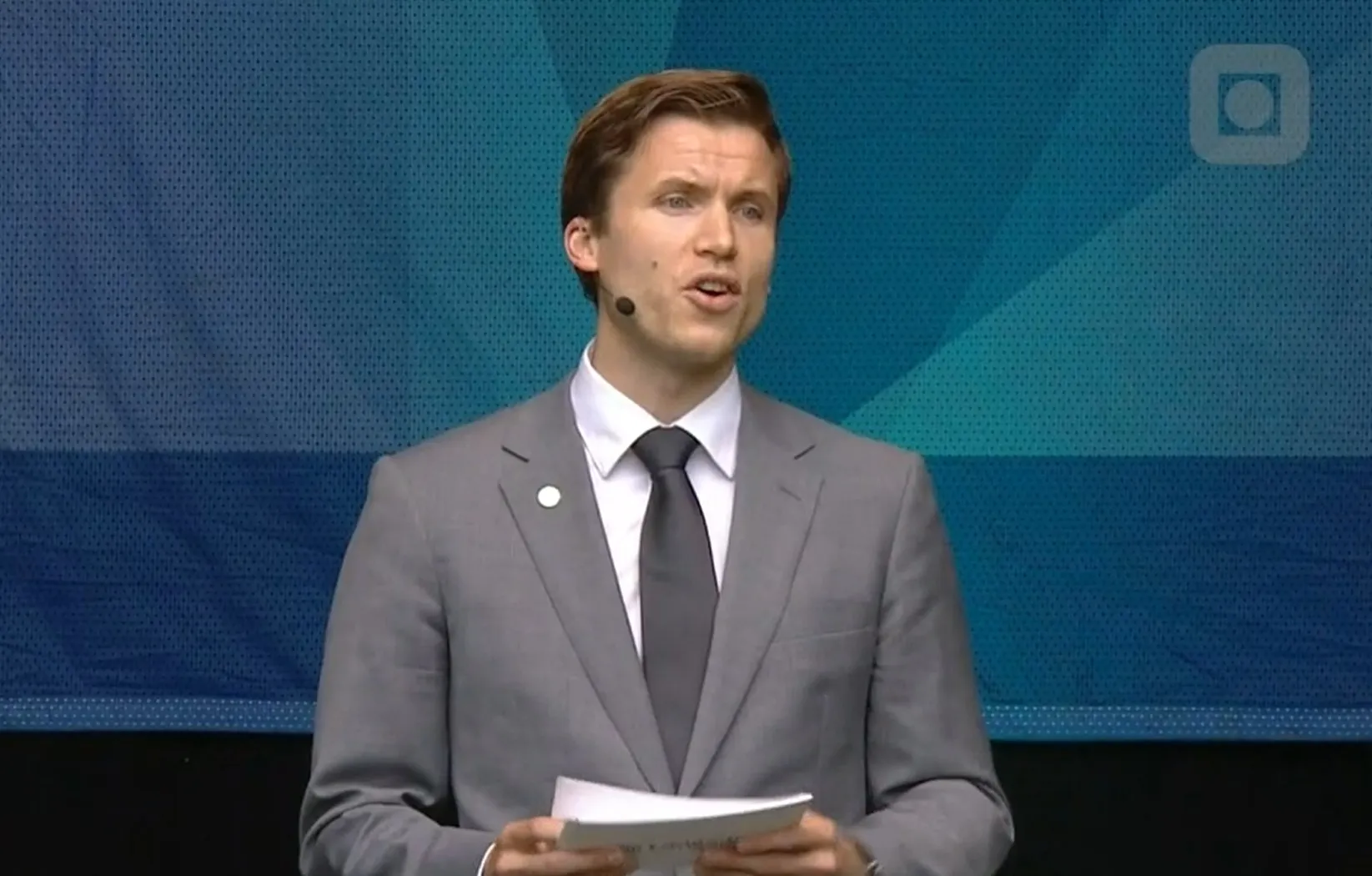
Main moments
Esteemed deans and university staff, proud parents, family, friends – and most importantly, dear students: Congratulations on this day!
Eight years ago I stood where you stand now, excited about the future, and unsure of what lay ahead.
What I remember best from NTNU, besides everyone wearing all-weather jackets all year round, was the feeling of being surrounded by so many energetic and smart people. The entire university is permeated by academic excellence and high professional ambitions.
However, I would like to point out one major weakness of the education I received: Despite countless company presentations and career fairs, I learned little about what the major challenges in the world are, and how what I had learned could contribute to solving these.
KNOWLEDGE FOR A BETTER WORLD – this is NTNU's slogan and vision. But how will the knowledge you have gained actually contribute to a better world?
You are some of Norway's brightest and most privileged students. Most of you will take jobs that contribute to making the world better. At least a little. But a career doesn't last forever, and you need to prioritize what you spend your careers on. NTNU's motto is a commitment. How can the effort you put in make the biggest possible difference?
Starting a new company or developing new technology always requires hard work. But not all forms of effort or innovation are equally important. Let me give you an example:
Perhaps some of the technologists among you will try to create an even better weather forecasting app than Yr. That would be impressive to achieve. But the value for us users in Norway would be marginal. Yr already works well enough today.
An alternative could be to create a better weather forecasting service for poor farmers in countries like Malawi or Tanzania. If they can better manage their crops, produce more food and earn more income, then that will have enormous value for them.
Or another example: It would be good if the biologists among you developed a type of cod liver oil that doesn't taste like rotten fish. That would make it less painful for Norwegian children and adults to get the nutrition they need. But that's just about taste. That would have meant very much more if you instead develop a type of omega-3 supplement that can withstand heat, so that it can be distributed to malnourished children in poor countries in the Global South.
My point is: knowledge is most valuable when it makes a big difference — for many, not just a few.
Indeed, there are many major challenges in the world. I'm thinking of the climate crisis, infectious diseases, pandemics, hunger, and extreme poverty.
It's easy to be paralyzed by the scale of these challenges and think they're impossible to solve. But that's not true. The world has solved equally big challenges before.
Just look at the progress that has been made since you were born, in the early 2000s.
Back then, a third of the world's population lived in extreme poverty. Today, it's one in ten.
And back then, every year there were ten million children who died before the age of five. This number has now been halved. Still, far too many people die from preventable causes — but progress saves five million children's lives every year. That's equivalent to the entire population of Norway.
Why aren't more people trying to solve the world's big problems? I believe not it's due to a lack of care, but that many believe their contribution won't make a difference. It's hard to imagine that a small group of individuals can bring about change. But you know what; this is the only way changes have ever happened!
All progress in the world is the result of individuals' efforts. If no one tries, we are doomed to fail. And if not you can, you who are exceptionally talented and resourceful young people, from the best university in the world's richest country. Who, then, will contribute to progress in the world?
That challenges are big and complex should not paralyze you. As a young person in the workforce, you are often advised to say yes to new challenges, take chances, and be ambitious. I want to encourage you to be ambitious not just for yourselves, but also for larger purposes.
Last year, I read a book about this that I wish had existed when I was studying, namely: Moral Ambition by Rutger Bregman.
In the book, the author describes that there are four types of people:
He uses two axes: how ambitious you are, and how idealistic. Many people are in the bottom left, without great ambition or great idealism. A few, in the top left, have high idealism but little ambition – for example, those who primarily sort their waste and print as few sheets as possible.
Many of you have much higher ambitions. But perhaps mainly for their own sake, with a dream of a prestigious consulting job – without considering whether it makes the world better or worse.
And then – the last quadrant, top right, with high ambition and high idealism: the morally ambitious. That is where I encourage all of you to aim. Not only will it be good for others, but based on my experience, it will also give you yourselves a richer life.
I started my career at a large tech company, like so many others from NTNU. I wanted to do something meaningful, and thought I could do that by earning well, and to give a lot of money to charity. If, as a new graduate, you donate 10% of your salary to effective aid, it's enough to save at least one human life every year. Fantastic, I thought, and for the past eight years, I have chosen to give away 20% of my salary every year.
But eventually I realized that the potential was even greater than that. Because the greatest resource one has as a young person is not the salary one receives, but the time one has. Each year, you will put in around 2000 working hours in a job. That also is a great opportunity to do good.
That's why in recent years I have sought increasingly morally ambitious jobs. I have tried my hand as a financial policy advisor in the Storting (Norwegian Parliament), as a bureaucrat and professional director at Norad – those who manage Norwegian aid, started a foundation called Gi Effektivt, and three years ago I started an idealistic think tank, Langsikt.
Even in my own rather short career, I have experienced that there are many different ways to be morally ambitious , and that the dream job does not need to align with the education you have received.
You possess expertise that can help solve major global problems – even in areas beyond what you have studied. Climate transition is a political problem just as much as a technological problem. And for our society to handle transformative new technology effectively, including artificial intelligence, philosophers and political scientists are needed just as much as engineers.
Some of you have probably already found a job, but my message will be just as relevant when you get tired of it in two, five, or ten years. Most jobs offer great opportunities for learning and personal development, which you later can use to achieve something great.
I hope that thirty years from now, you can look back on a career with not only professional success, but also moral success.
Being privileged comes with responsibility. When you start working, you will immediately be among the top 4% of earners globally. That is, earning more than 8 billion other people. And your parents who are here today probably earn even more. They also have a responsibility – remember to remind them of that.
If we – those of us with the most money, education, and opportunities – were to dedicate some of our time and money to others instead of just ourselves, millions of people in the world could have a better life.
Dear students, you are graduating from NTNU with an excellent education – a fantastic starting point, and with knowledge for a better world.
Remember that you have talents and opportunities. Use them well. It is not enough to be professionally ambitious; you should also be morally ambitious! Good luck!
More from Langsikt
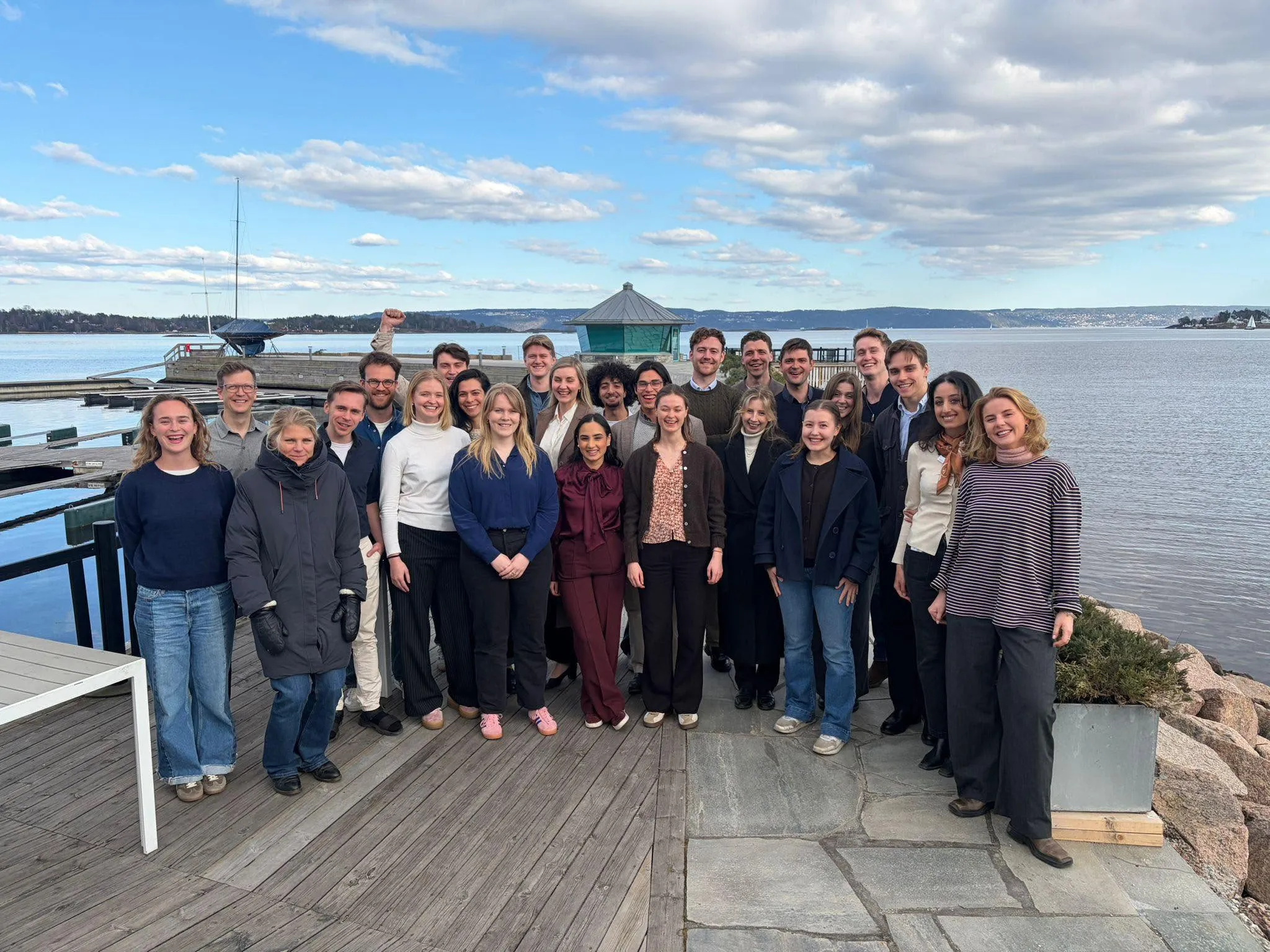
Langsikt-akademiet
Langsikt-akademiet samler fremtidens samfunnsledere til en helgesamling om spørsmålene som vil forme Norge de neste årene. Innlederne deler av sin inngående erfaring og hvert innlegg følges av god tid til refleksjon og diskusjon. Meld din interesse nå!

How to Handle the Greatest Threats
Gyldendal's "Total Preparedness": In a short time, the security policy situation in Norway and Europe has intensified. While war and geopolitical upheavals once again dominate the news, preparedness challenges resulting from extreme weather, digital vulnerability, and complex threats have increased in both scope and complexity.

Tax policy for the future
Five proposals for tax policy

This is how budget growth can be slowed
The government should get help to stop new spending. It comes out in the state's own evaluation.