How to Handle the Greatest Threats
Gyldendal's "Total Preparedness": In a short time, the security policy situation in Norway and Europe has intensified. While war and geopolitical upheavals once again dominate the news, preparedness challenges resulting from extreme weather, digital vulnerability, and complex threats have increased in both scope and complexity.

AI-generated illustration from Midjourney.
Main moments
This text was originally published in the book "Total Preparedness". Order the book here.
Borgar Jølstad and Aksel Braanen Sterri authored the chapter "How to Handle the Greatest Threats" from the book 'Total Preparedness', published by Gyldendal Akademisk. It provides an introduction to much of the philosophical foundation built upon in Langsikt, and argues for four claims:
1. Even though the future is uncertain, we can use the principle of expected utility to guide us towards a better future.
2. Expected utility is preferable to alternative governance principles, such as precautionary and worst-case scenario thinking.
3. The extinction of humanity is the worst thing that can happen to us, and avoiding such an event must be one of our most important political tasks.
4. It is wrong to place less emphasis on the interests of people living in the future. We should therefore place more emphasis on the interests of future generations than we do today.
Download to read the chapter (in Norwegian).
More from Langsikt
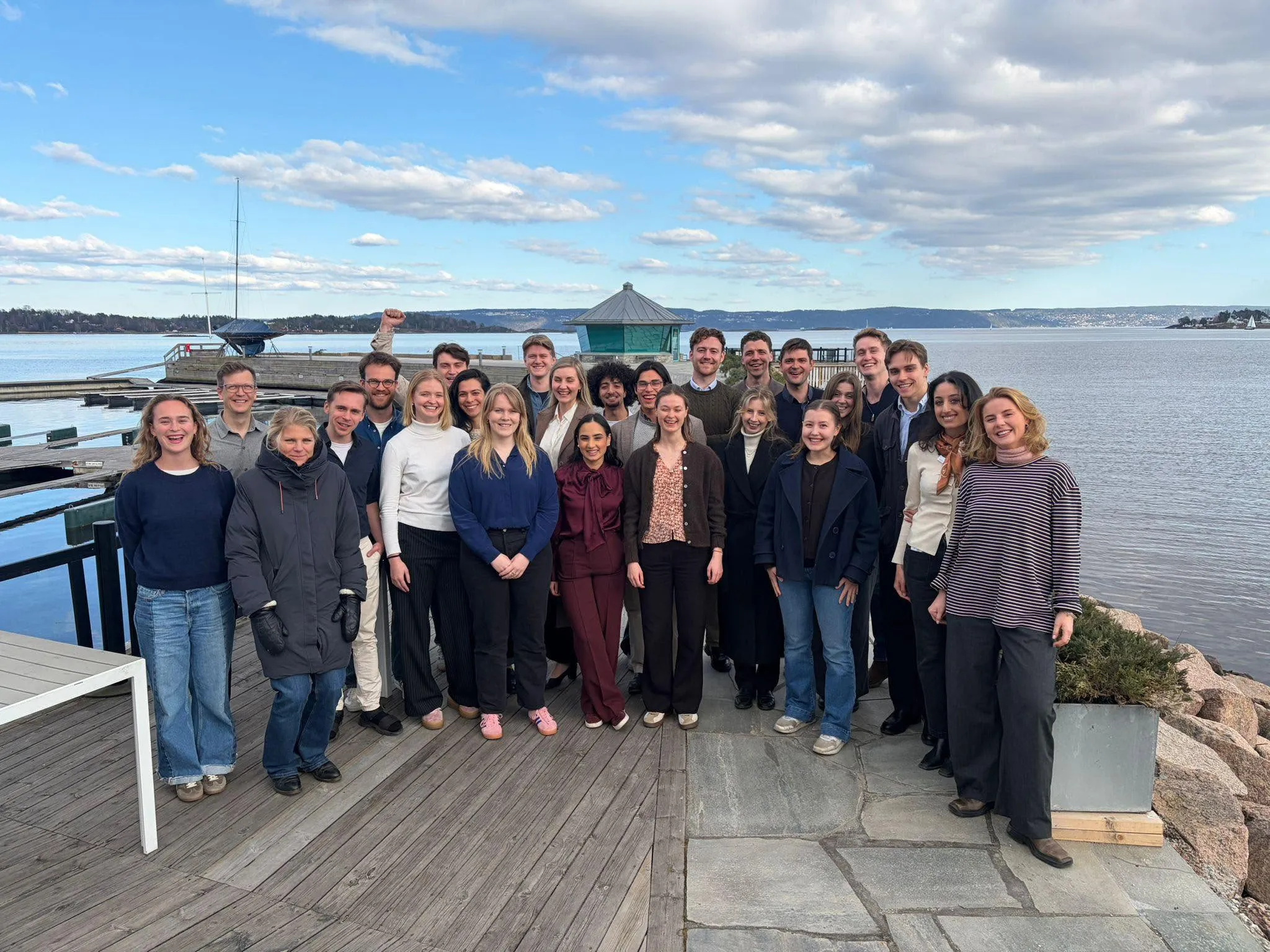
Langsikt-akademiet
Langsikt-akademiet samler fremtidens samfunnsledere til en helgesamling om spørsmålene som vil forme Norge de neste årene. Innlederne deler av sin inngående erfaring og hvert innlegg følges av god tid til refleksjon og diskusjon. Meld din interesse nå!
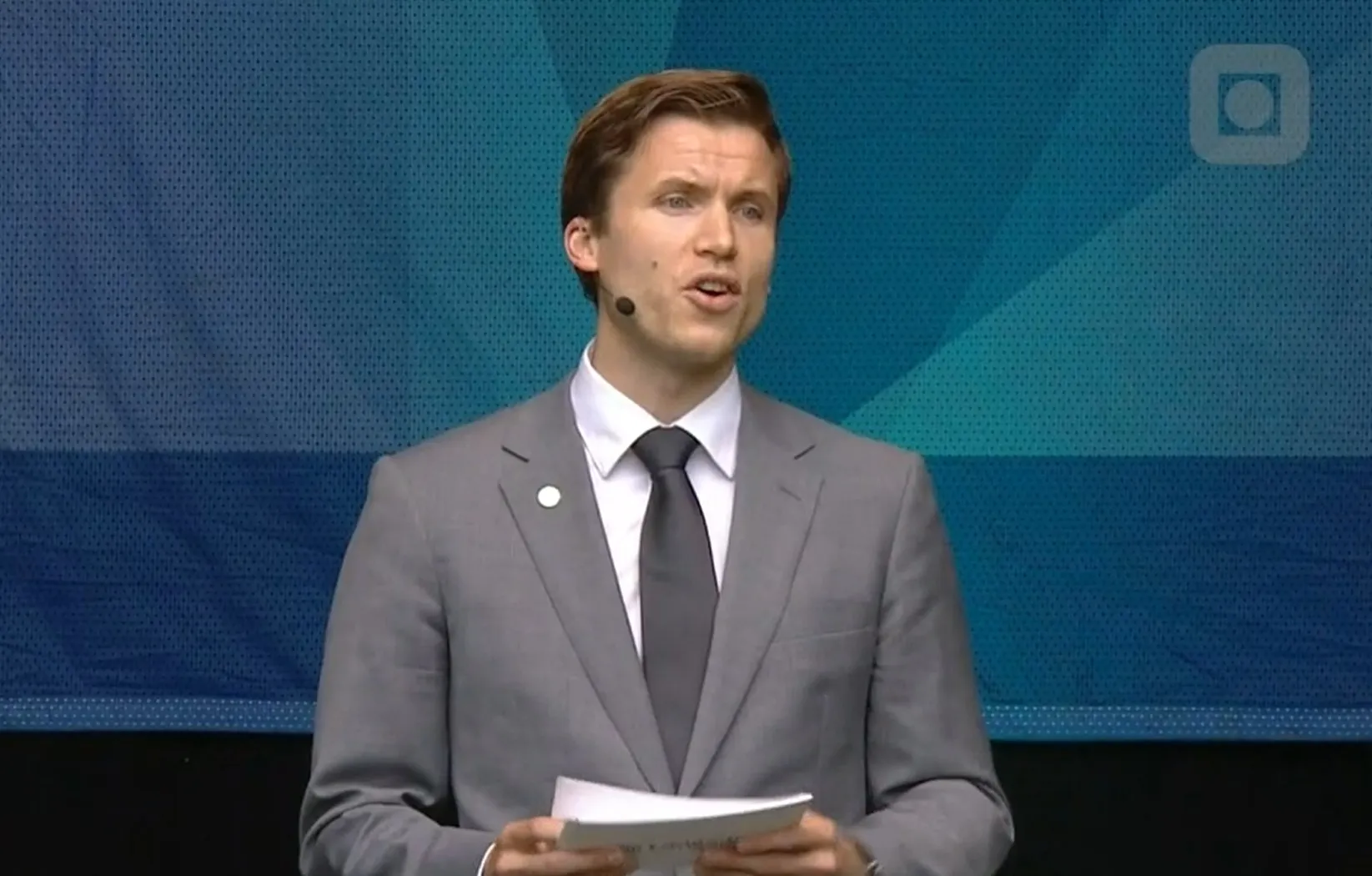
NTNU Graduation 2026: Be Morally Ambitious
If we, with the most money, education, and opportunities, had spent some of our time and money on others instead of ourselves, millions of people in the world could have had a better life.

Tax policy for the future
Five proposals for tax policy

This is how budget growth can be slowed
The government should get help to stop new spending. It comes out in the state's own evaluation.